

It’s time to stop waiting for a miracle or that one perfect manager who will “discover” your potential. Today’s job market values people who take the initiative – those who plan, act, and grow with their own goals in mind. This article isn’t another guide on how to impress your boss – it’s a practical roadmap for taking the reins of your career. You’ll learn how to plan your education, assess your skills, grow independently, and navigate failure or industry shifts. Because your career isn’t a coincidence – it’s a project you can consciously design and implement, step by step.
Are you managing your career – or letting it manage you?
Career management is an essential skill every professional should master, regardless of where they currently are on their path. Many people believe that career development depends on luck or the decisions of their superiors. But the truth is: you’re the one responsible for your success. Planning your education, evaluating your skills, and investing in your own development – these are the foundations for your future.

Expecting someone else to plan your career for you only leads to frustration and disappointment. Only you truly know what kind of professional future will suit you best. Companies, managers or teachers can show you possible paths, offer guidance and help you understand and nurture your potential. They can also clip your wings or use your skills for their own agenda – but that’s a topic for another time. Ultimately, you have to make use of the signposts that appear, even when they’re not obvious.
Educational planning: your roadmap to the goal.
Learning is really step number one. Start by defining an educational goal – who do you want to be in five or ten years? If you’re unsure, working with a career coach or an advisor can help. But don’t expect them to tell you what to do – their role is to offer perspective, not answers. Instead of waiting for someone to show you an open door, look around for opportunities yourself.

Next steps include analysing the competency requirements for your dream job or a profession, and choosing the right courses, degrees or training programs. Make your learning effective: try the Pomodoro technique, find a study partner, and assess your progress regularly.
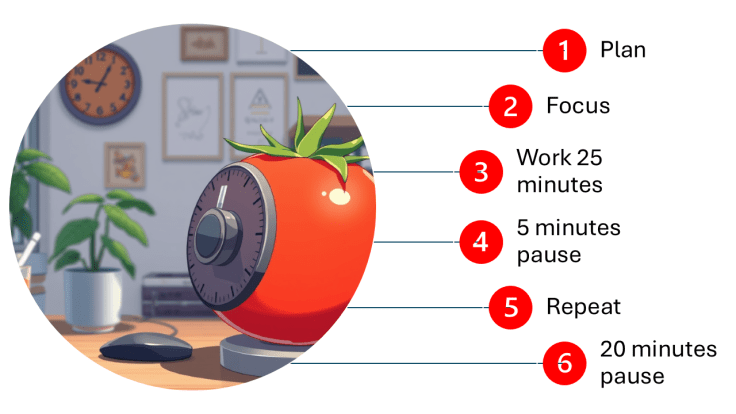
Skills map: know your strengths and weaknesses.
Each of us possesses a unique mix of skills – both hard (such as language fluency or system expertise) and soft (such as communication, teamwork, creativity). It’s worth listing your previous work experiences and the skills you used in each role. Then sort them based on their priority levels and identify the ones you need to improve.
You can also use models like DISC to check if your personality aligns with your dream career.
I’ll pause here and point you back to one of my previous articles: Get to know yourself with the competency map.
Personal development: who’s managing your growth plan?
Your career is up to you. Consistent learning, finding a mentor, staying on top of industry trends, taking on extra projects – these are the key actions that help you gain unique experience.
Plan your development based on your values – take time to analyse them and make sure your goals are aligned. Growth starts with self-awareness, so use tools like the SIGN model
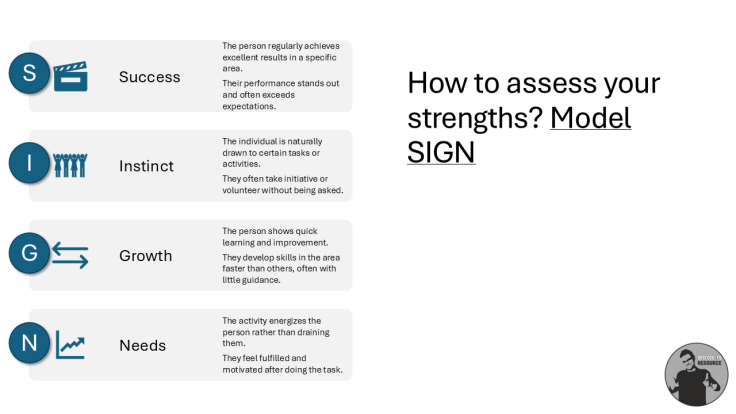
or the Johari window to understand your strengths and the areas that need improvement.
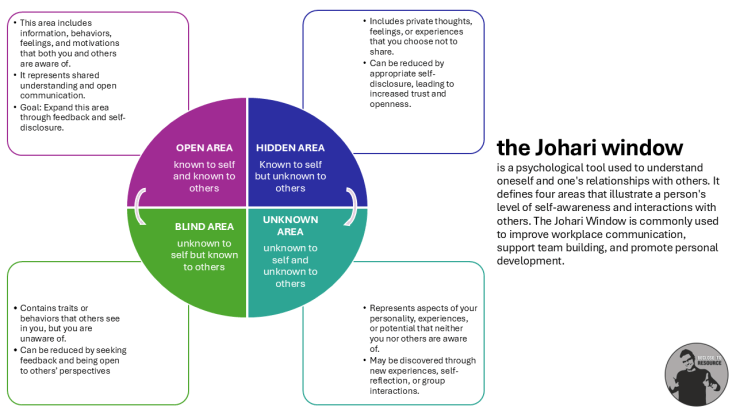
Self-development is an investment. It sometimes requires sacrificing time, weekends or doing overtime. Is it worth it? Remember: no investment, no result. No engagement, no effect. No will, no success.
Dealing with rejection: “You got dropped? Stand up and fix your crown.”
We all face professional setbacks, but how we handle them defines our success. After being rejected in a recruitment process or laid off, ask for detailed feedback and use it to grow. Avoid letting negative emotions take over – and instead, reflect on it: Were you really prepared? What kind of an employee were you? Did you fit into the organization?
Analyse your mistakes and show up stronger next time. I’ve written more about this in an earlier article – check it out: Rejected? Recharge!
Career change: how to switch industries successfully?
Changing your career path is a big challenge – but also an opportunity for a fresh start. Begin by identifying your interests and professional dreams. Then check which positions combine your passions with earning potential. Analyse your qualifications and identify the gaps you need to close – for example, through courses or practical projects.

And don’t forget your network – contacts can make all the difference. The transition might take time, so stay patient and flexible.
Your career, your choice.
Don’t wait for your career to figure itself out. Take action, plan your development, and be ready for the challenges ahead. Remember: the most important decisions are yours. Manage your career like a pro and turn your professional dreams into reality.
Feel like you need support? Reach out – let’s figure out your next steps together.
Big thank you to my amazing peer Ola from Kursy języka angielskiego online – ATL English by Aleksandra Ammer for her support and proofreading!
 Sposoby Na Zasoby | Beclose to resource
Dodaj komentarz